
Do your heating and cooling bills keep climbing even though your HVAC system seems to be working properly? The problem may not be your furnace or air conditioner. It may be coming from underneath your home.
A damp, unsealed crawl space can affect the temperature and humidity throughout the rest of your house. Through a natural process called the stack effect, air from the crawl space can move upward into your living areas. When that crawl space air is cold, damp, or humid, your HVAC system has to work harder to keep your home comfortable.
Understanding the connection between the stack effect, crawl space heating bill increases, and indoor comfort can help you identify the real source of high energy use. For many homeowners, sealing and conditioning the crawl space can reduce drafts, improve floor temperatures, and create a more stable indoor environment.
The Stack Effect Crawl Space Heating Bill Connection
The stack effect describes the natural movement of air through a building. Warm air rises. As heated air travels upward through your home and escapes through the attic, roofline, recessed lighting, windows, and other small gaps, it creates pressure that pulls replacement air into the lower parts of the house. If your home has a crawl space, some of that replacement air can come from underneath your floors. This means your crawl space is not completely separate from the rooms above it. Air, moisture, and temperature changes beneath the home can influence conditions in your kitchen, living room, bedrooms, and hallways.
During winter, an open or poorly sealed crawl space may contain very cold air. As that air is pulled upward, your heating system must continuously replace the heat being lost. During warmer months, humid outside air and ground moisture can enter the crawl space. That moisture can then migrate upward, leaving your air conditioner responsible for both cooling and dehumidifying the home. The result is a heating and cooling system that runs longer than it should.
Why Damp Crawl Spaces Make Your HVAC System Work Harder
Moisture changes how comfortable your home feels. In summer, high indoor humidity can make normal temperatures feel warmer and heavier. You may respond by lowering the thermostat, even though the real problem is excess moisture. A damp crawl space can contribute to that humidity.
Open foundation vents allow warm, moisture-heavy outdoor air to enter the area beneath your home. When that warm air meets cooler crawl space surfaces, condensation can develop on ductwork, floor joists, pipes, and other materials. Exposed soil can also continuously release moisture into the crawl space. Even if you never see standing water, moisture vapor can still enter the air from damp ground.
Through the stack effect, some of that damp air can travel upward. Your air conditioner must then remove both heat and moisture from the indoor air. The more humid the house becomes, the longer the system may need to operate to maintain a comfortable environment.
Winter creates a different problem. Cold air entering through vents and gaps can lower the temperature beneath your floors and around HVAC ducts. Heat can escape into that colder space, increasing the amount of energy needed to keep the living area warm.
Cold Floors Over Crawl Space
Cold floors are one of the most noticeable signs that your crawl space may be affecting your home’s comfort. If you walk across hardwood, tile, or laminate floors during winter and they constantly feel cold, the temperature underneath them may be part of the problem. A vented crawl space exposes the underside of your flooring system to outside conditions. Cold winter air can move through foundation vents, gaps, and openings and collect underneath the floor joists. Heat from your home naturally moves toward colder areas. As a result, warmth from the rooms above can transfer through the flooring and into the colder crawl space below.
The furnace may continue producing warm air, but the floors still feel chilly because the source of the temperature imbalance remains underneath the home. A proper cold floors over crawl space fix involves addressing the crawl space itself rather than simply turning the thermostat higher. Sealing outside air entry points, controlling ground moisture, and properly conditioning the crawl space can help create a more consistent temperature beneath your flooring. When the crawl space is no longer exposed to extreme outdoor temperatures, the floors above can feel noticeably more comfortable.
Does Sealing Crawlspace Save Energy?
Homeowners frequently ask, ‘does sealing crawlspace save energy’, especially when they are dealing with high utility costs. Sealing a crawl space can help reduce energy waste because it limits the movement of uncontrolled outside air and moisture into the area beneath your home.
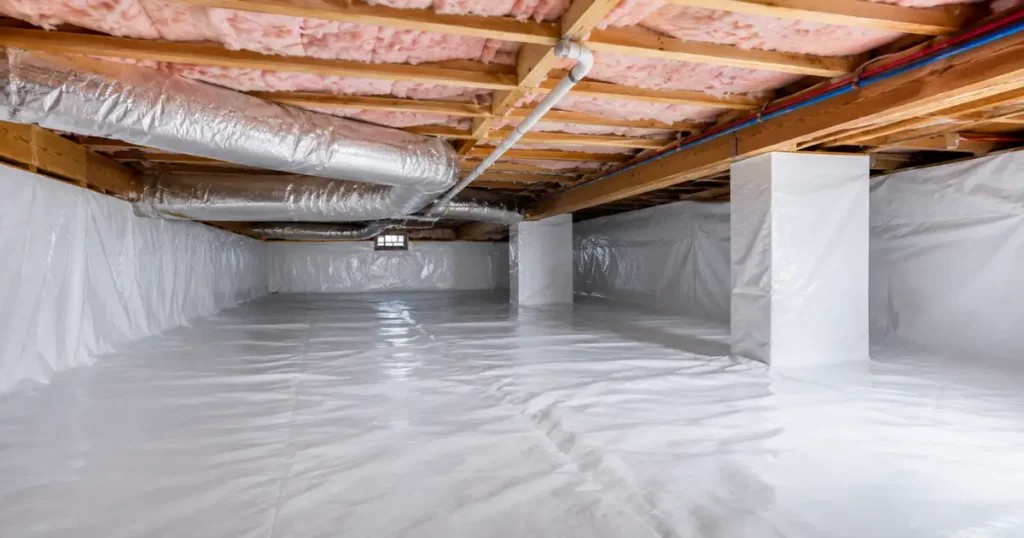
In a traditional vented crawl space, exterior air can enter freely through foundation vents. Gaps around pipes, wiring, sill plates, and other penetrations can create additional pathways. Every one of those openings can contribute to air exchange between the outdoors, crawl space, and living areas. Encapsulation changes that environment. Instead of allowing the crawl space to behave like an outdoor area beneath your house, the space is sealed and managed as part of the home’s overall building envelope.
A heavy-duty vapor barrier helps stop moisture from evaporating out of exposed soil. Foundation vents and air gaps are sealed to reduce outside air intrusion. When necessary, drainage systems can manage groundwater before it creates additional moisture problems. A properly controlled crawl space gives your HVAC system a more stable environment to work with. Rather than continuously compensating for cold drafts in winter or humid air in summer, your heating and cooling equipment can focus on maintaining the temperature inside your home.
Does Sealing Crawlspace Save Energy During Summer?
The summer energy impact can be especially noticeable in humid climates such as New Jersey. During warm weather, outside air carries significant moisture. Traditional crawl space vents allow that air to enter freely. Once inside, warm humid air can cool against the ground and other surfaces. Relative humidity increases, and condensation may develop. That moisture does not always stay beneath the house. The stack effect can pull damp crawl space air upward into your living areas. The result may be sticky rooms, musty odors, or an air conditioner that seems to run constantly.
If you are wondering if sealing crawlspaces save energy, humidity control is an important part of the answer. Reducing moisture infiltration can reduce the amount of dehumidification your cooling system has to perform. A properly encapsulated crawl space can also be paired with dedicated dehumidification to maintain more stable conditions underneath the home. Instead of fighting a continuous supply of humid air entering from below, the cooling system can operate in a more controlled environment.
Damp Crawl Spaces Can Affect More Than Energy Bills
Higher energy costs are often only one symptom of crawl space moisture. Persistent humidity can create conditions that affect building materials beneath your home. Wooden joists, subflooring, and other structural components may remain exposed to moisture for long periods. Over time, damp conditions can contribute to wood deterioration, sagging floors, musty odors, and unwanted pest activity.
Moisture can also affect comfort in less obvious ways. Some homeowners notice that certain rooms never seem to reach the same temperature as the rest of the house. Others may experience clammy floors, heavy indoor air, or frequent thermostat adjustments. These issues can seem unrelated until you look underneath the home. Because the crawl space sits directly beneath your living areas, its condition can influence the entire house.
How Crawl Space Encapsulation Helps Control the Stack Effect
You cannot eliminate the natural tendency of warm air to rise, but you can control where replacement air comes from. Crawl space encapsulation reduces the amount of outside air and ground moisture available to be pulled upward through the home.
The process begins with a thorough inspection of the crawl space. The goal is to identify moisture sources, drainage concerns, air leaks, and any signs that structural materials have been affected by prolonged dampness. If groundwater is entering the crawl space, waterproofing and drainage may need to be addressed before the area is sealed. Foundation vents and exterior gaps can then be closed to reduce uncontrolled outside air intrusion. A heavy-duty vapor barrier is installed across the crawl space floor and extended along the appropriate foundation surfaces. Seams and penetrations are sealed so ground moisture cannot continuously evaporate into the crawl space air. When necessary, dedicated dehumidification can help maintain controlled humidity levels throughout the year.
Together, these steps create a cleaner, drier, and more stable environment underneath your home.
Get Your Crawl Space Checked Before Energy Costs Keep Climbing
If your home has cold floors, musty air, excessive humidity, or heating and cooling bills that seem unusually high, your crawl space deserves a closer look. The connection between the stack effect, crawl space heating bill increases, and indoor comfort is easy to overlook because the source of the problem is hidden beneath your home.
The Waterproofing Pros helps homeowners throughout New Jersey identify crawl space moisture, drainage, and air-sealing issues before they turn into larger problems. Our team provides straightforward recommendations based on what your home actually needs.
If you are wondering if sealing crawlspace saves energy or looking for a reliable cold floors over crawl space fix, start with a professional crawl space inspection.
Contact The Waterproofing Pros at (732) 242-3375 to schedule your crawl space inspection and find out what is happening beneath your floors.
