
A wet basement is more than an inconvenience. It can affect your home’s structure, indoor air quality, storage space, and long-term value. If you have noticed water on the floor, musty smells, damp walls, white powder on concrete, or cracks in your foundation, it may be time to talk with a basement waterproofing company before the problem gets worse.
Basement water issues often start small. A little moisture after heavy rain may not seem urgent at first. But over time, water can find its way through foundation cracks, wall joints, floor seams, window wells, and porous concrete. Once moisture becomes a pattern, it can lead to mold concerns, damaged belongings, wood rot, and structural stress.
Choosing the right company matters because waterproofing basement spaces is not a one-size-fits-all service. Your home needs a solution based on where the water is coming from, how your foundation is built, and what kind of protection will work long term. The right team will inspect the issue carefully, explain your options clearly, and recommend a system that protects your home instead of offering a quick temporary fix.
Why Choosing the Right Basement Waterproofing Company Matters
A trusted basement waterproofing company should do more than install a drain or sump pump. They should help you understand why your basement is getting wet in the first place. Water can enter a basement for several reasons, including hydrostatic pressure, poor grading, clogged gutters, foundation cracks, or failing drainage systems. Without a proper diagnosis, the same problem can come back after the next storm.
A reliable company will look at both the inside and outside of your home. They may check the foundation walls, basement floor, sump pump system, window wells, exterior drainage, downspouts, and signs of previous water damage. This full-picture approach helps them determine whether you need interior drainage, crack repair, sump pump installation, vapor barriers, exterior waterproofing, or a combination of services.
The right company should also focus on long-term protection. Basement moisture can affect finished basements, storage areas, mechanical systems, and even the air your family breathes upstairs. A good waterproofing plan is designed to move water away from your home, manage groundwater safely, and reduce the chance of future damage.
When a company takes time to educate you, that is usually a good sign. You should never feel rushed, confused, or pressured into signing a contract before you understand what is happening in your basement.
What to Expect From a Basement Waterproofing Specialist
A basement waterproofing specialist should begin with a detailed inspection. This inspection should identify visible symptoms, possible water entry points, and the conditions that may be contributing to the issue. The goal is not just to see where water showed up. The goal is to understand why it showed up.
During the inspection, the specialist should ask when the problem happens. Does water appear after heavy rain? Does it come in during spring thaw? Is there moisture all year? Are there musty smells even when the floor looks dry? These details help narrow down the source of the problem.
A specialist should also explain the difference between symptoms and causes. For example, a puddle on the basement floor is a symptom. The cause may be pressure under the slab, a wall crack, a clogged footing drain, or water collecting around the foundation. Treating only the symptom may make the basement look better for a short time, but it may not protect your home during the next storm.
The best specialists explain recommendations in plain language. They should be able to show you what they found, why it matters, and how the proposed system will solve the problem. If the explanation sounds overly complicated or unclear, it is fair to ask more questions.
Why Searching for Basement Waterproofing Companies Is Only the First Step
Searching for the nearest basement waterproofing can help you find local companies, but location should not be the only factor in your decision. A nearby company may be convenient, but you still need to know whether they have the experience, systems, and service quality to protect your home properly.
Local experience is important because soil conditions, storm patterns, and home construction styles can vary by region. In New Jersey, many homeowners deal with heavy spring rain, high groundwater, coastal moisture, and aging foundations. A company that understands local conditions can often identify problems faster and recommend solutions that make sense for homes in your area.
You should also look for responsiveness. Basement flooding and active leaks need quick attention. If your basement floods during a storm, waiting several days for a callback can lead to more damage. A company that offers same-day inspections for emergency situations can give you answers faster and help you prevent the issue from spreading.
Reviews, project photos, warranties, and clear communication also matter. When you search for basement waterproofing companies, do not stop at the first name that appears. Visit the company’s website, read their service pages, check customer feedback, and look for signs that they specialize in waterproofing rather than offering it as a side service.
What Waterproofing Basement Solutions Should Include
Waterproofing basement areas usually requires a system, not a single product. The right solution depends on how water is entering and how severe the issue is. Some homes need interior drainage to collect water before it reaches the floor. Others may need crack repair, sump pump upgrades, battery backup systems, vapor barriers, dehumidification, or exterior drainage improvements.
An interior drainage system is often used when groundwater pressure pushes water through the floor-wall joint or under the slab. This system helps direct water to a sump pump so it can be removed from the home. A sump pump should be properly sized, installed in a reliable liner, and supported by a discharge system that moves water away from the foundation.
Foundation cracks need special attention. Some cracks are minor, while others may point to structural movement or pressure against the wall. A professional should inspect the crack before recommending a repair. Sealing the surface without addressing the cause may not be enough.
Moisture control is also part of a complete waterproofing plan. Even if you do not see standing water, damp air and musty odors can make a basement uncomfortable. A dry basement should feel cleaner, smell better, and be easier to use for storage, laundry, utilities, or finished living space.
The best waterproofing basement solutions are built around your specific home. A trustworthy company will not recommend the exact same system for every basement. They will explain why your home needs a certain approach and how each part of the system works together.
Signs Your Basement May Not Be Protected
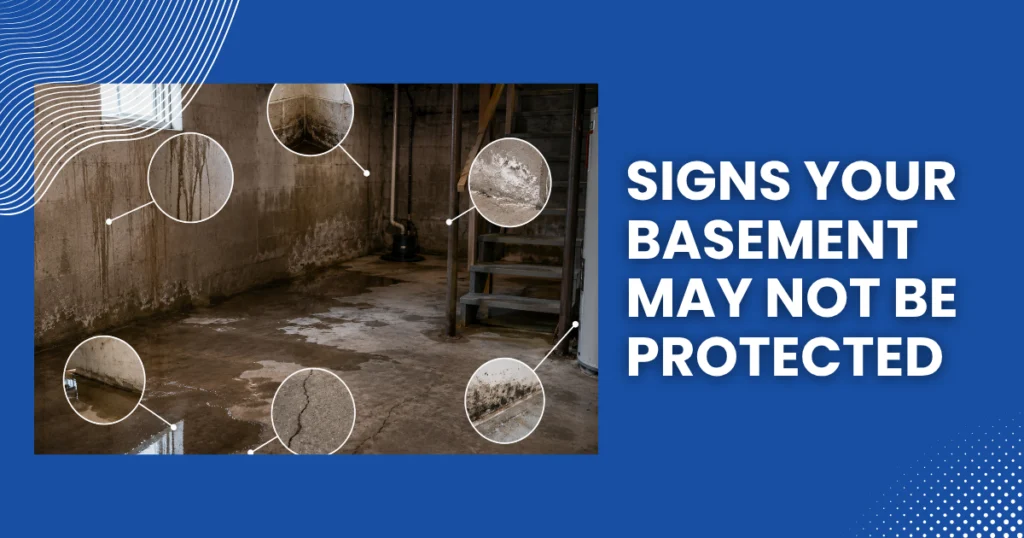
Your basement may need attention even if it has not flooded recently. Water problems often leave warning signs before a major issue happens. Musty smells are one of the most common signs. They may indicate trapped moisture, high humidity, or mold-friendly conditions.
White powder on basement walls is another clue. This is often called efflorescence, which happens when water moves through masonry and leaves mineral deposits behind. While the white residue itself may not be dangerous, it is a sign that moisture is passing through the wall.
Cracks in foundation walls or floors should also be inspected. Some cracks are caused by normal settling, but others may allow water to enter or signal pressure against the foundation. Bowing walls, stair-step cracks, or widening gaps should be evaluated as soon as possible.
Peeling paint, damp drywall, rusted metal, warped flooring, and water stains can also point to moisture problems. If you have a finished basement, these signs may appear before you see actual water on the floor. By the time water reaches finished materials, repairs can become more expensive.
If you notice any of these signs, it is better to schedule an inspection before the next heavy rain. Early action can help protect your foundation, belongings, and finished space.
Questions to Ask Before Hiring a Basement Waterproofing Company
Before choosing a basement waterproofing company, ask how they diagnose water problems. A strong answer should include inspection, moisture source identification, and a clear explanation of the recommended solution. If a company gives you a price without understanding the cause, that may be a red flag.
Ask what type of warranty is included. Waterproofing is an investment, so you should understand what is covered, how long coverage lasts, and whether the warranty is transferable. A lifetime warranty can offer peace of mind when it is clearly explained and backed by a reputable company.
You should also ask about response time. If your basement is actively flooding, same-day service or same-day inspection can make a major difference. Fast action helps reduce damage and gives you a plan before the issue becomes more stressful.
Financing may also be important. Basement waterproofing can be unexpected, especially after a storm or during a home inspection. Companies that offer fast financing options can make it easier to move forward with needed repairs without delaying protection for your home.
Most importantly, pay attention to how the company communicates. A professional team should be patient, helpful, and transparent. You should feel informed, not pressured.
How the Right Basement Waterproofing Company Protects Your Home Long Term
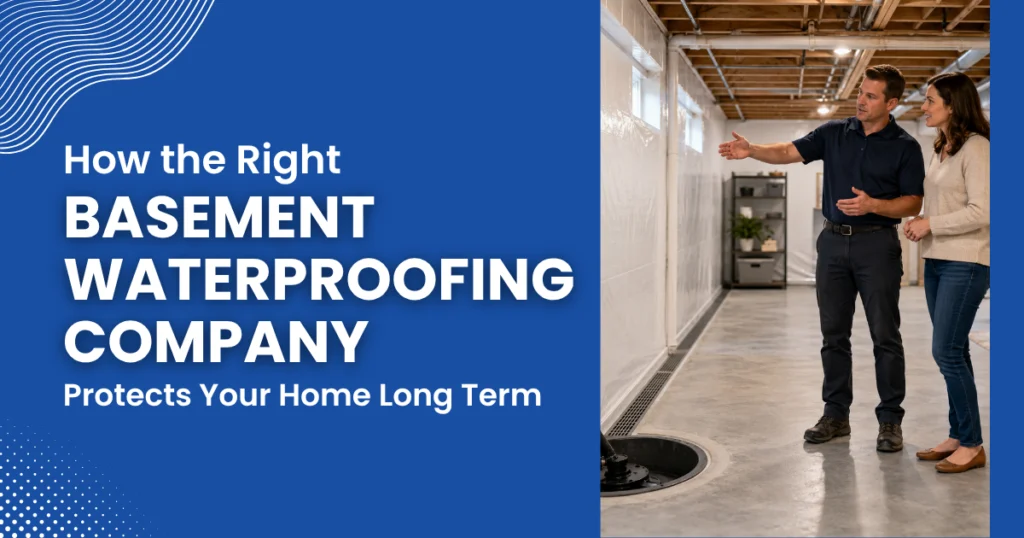
The right basement waterproofing company helps protect more than your basement floor. It helps protect your home’s structure, air quality, usable space, and resale value. Water damage can affect foundation walls, framing, flooring, insulation, and stored belongings. Over time, repeated moisture can create bigger problems that cost more to fix.
A long-term waterproofing plan gives water a controlled path away from your home. Instead of letting water collect around the foundation or seep through weak points, the system manages it safely. This can reduce stress on the foundation and help keep the basement dry during heavy rain.
A dry basement also gives you more flexibility. You can use the space with more confidence, whether it is unfinished storage, a workshop, a laundry area, or a finished family room. When the basement is protected, the entire home feels more secure.
For homeowners planning to sell, waterproofing can also help during inspections. Water stains, musty smells, and foundation concerns can make buyers nervous. Having a professionally installed system and warranty can show that the issue was addressed properly.
Choose a Basement Waterproofing Company That Educates First
A good waterproofing experience should start with education. You deserve to know what is happening in your home, what options are available, and what solution makes the most sense. The company you choose should be able to explain the problem clearly and recommend a plan that fits your basement, your budget, and your long-term goals.
If you are comparing companies, look for local experience, strong communication, emergency responsiveness, detailed inspections, warranty protection, and proven waterproofing systems. These qualities can help you avoid temporary fixes and protect your home with more confidence.
Your basement does not have to stay damp, musty, or unpredictable. With the right team, you can stop water at the source, protect your foundation, and create a cleaner, safer space below your home.
If you are seeing water, moisture, cracks, or musty smells in your basement, it may be time to schedule a professional inspection. Learn more about available basement waterproofing services and take the next step toward protecting your home.
