
Basement Waterproofing Point Pleasant, NJ
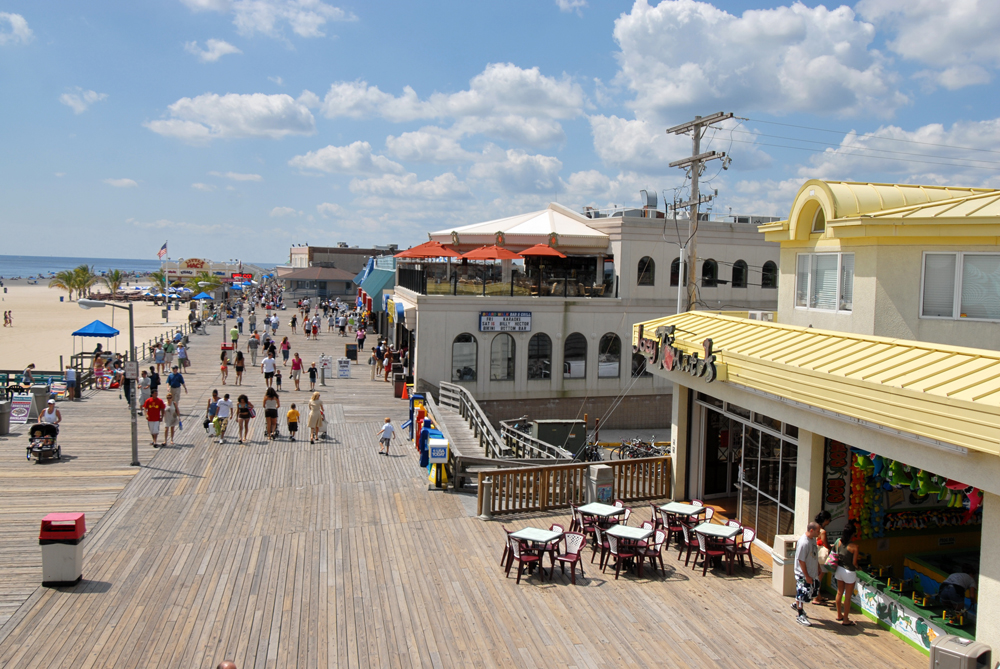
Basement Waterproofing Solutions for Point Pleasant Homes
Point Pleasant homeowners love being close to the water, but that shoreline lifestyle can come with real basement moisture challenges. With nearby waterways and tidal influences in the area, groundwater and stormwater can rise fast, and that extra saturation can push moisture toward foundations, especially during prolonged rain or coastal storms. Local municipal resources for Point Pleasant include dedicated flood hazard information, which highlights how seriously flood and elevation factors are taken in the borough.
At The Waterproofing Pros, we install long-lasting basement waterproofing systems built for New Jersey conditions. Our goal is simple: stop water intrusion, control humidity, and help protect your foundation so your basement stays dry and usable year-round.
Why Basements Get Wet in Point Pleasant
Basement water problems usually come from outside water pressure plus a pathway that lets it inside. In Point Pleasant, we often see:
High water conditions and floodplain factors: The borough provides flood hazard information and guidance, which is a strong indicator that floodplain awareness matters locally.
Tidal influence in nearby waterways: Tide monitoring in the area (Manasquan River region) shows daily water level changes, which can contribute to ground saturation patterns near shore communities.
Hydrostatic pressure: When the ground becomes saturated, water pressure can build around foundation walls and beneath the slab, forcing seepage through weak points.
Cracks, joints, and porous masonry: Even small cracks or porous block walls can allow water or vapor to move into the basement.
Exterior drainage issues: Short downspouts, clogged gutters, and low spots can keep water parked near the foundation instead of directing it away.
Common Basement Moisture Problems We Fix
Water at the wall-to-floor seam (cove joint)
One of the most common entry points. When water builds under the slab, seepage often shows up where the wall meets the floor.
Foundation cracks and wall seepage
Hairline cracks may look harmless, but they can become repeat leak paths as the soil repeatedly swells and saturates through the seasons.
Dampness, musty odors, and basement humidity
Not every basement problem looks like flooding. Persistent humidity and condensation can still create a mold-friendly environment and make the space uncomfortable.
Recurring wet spots after storms
If the same area gets wet after every heavy rain, it’s usually a predictable water route. The right system is designed to manage that route permanently.
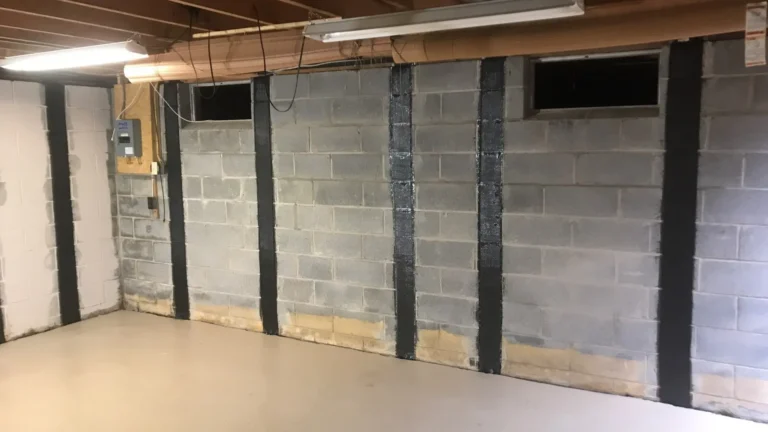
Our Basement Waterproofing Services in Point Pleasant, NJ
We don’t push a one-size-fits-all fix. We inspect, explain what’s happening clearly, and recommend a system that matches your home.
Interior basement waterproofing systems
Interior drainage systems are a powerful option when seepage shows up at the cove joint, along the perimeter, or through the slab. These systems collect water at common entry points and direct it to a controlled discharge route.
Sump pump installation and replacement
A sump pump is often the heart of a waterproofing plan. If your pump is undersized, aging, or installed incorrectly, water problems can return fast. We install reliable sump solutions designed for consistent performance during heavy rain cycles.
Exclusive drainage technology: FloodBuster Pro draintile
The Waterproofing Pros states that we’re the only waterproofing company in New Jersey installing the FloodBuster Pro draintile system, promoted for stronger flow capacity and a clog-resistant smooth design compared with older corrugated drain systems. The Waterproofing Pros+1
Foundation crack repair
If water is entering through cracks, surface patching is usually temporary. Professional crack repair targets the true entry pathway so it holds up long-term.
Exterior waterproofing options (when needed)
Some homes benefit from exterior waterproofing when outside access and conditions make it the best long-term defense. If your home is a good fit, we’ll walk you through the pros and cons clearly.
What a Professional Waterproofing Inspection Should Tell You
When you schedule an inspection with our team, you should come away knowing:
Where water is entering (or where humidity is building)
Whether the issue is stormwater, groundwater pressure, drainage failure, or a combination
What solutions actually match your foundation type and basement layout
How to prevent repeat problems, not just “dry it out” this once
If your home is in a flood hazard area, you’ll also want to confirm your mapped risk by address using FEMA’s official tools.

Check Flood Zone Information by Address
Flood risk can vary street by street. FEMA’s Flood Map Service Center is the official public source to view flood hazard mapping and products by address.
Even if your home isn’t in a mapped zone, you can still have basement seepage from drainage and groundwater conditions, so a professional evaluation can still be worthwhile.
Schedule a Free Basement Waterproofing Inspection in Point Pleasant, NJ
If you’re dealing with seepage, damp walls, musty odors, or water after storms, don’t wait for the next big weather event. Contact The Waterproofing Pros for a free inspection and a plan built to last.
Call: (732) 500-2616
Email: office@thewaterproofingpros.com
Address: 5050 W Hurley Pond Road, Wall, NJ 07719
Frequently Asked Questions About Basement Waterproofing in Point Pleasant, NJ
1) How long does basement waterproofing usually take?
Many interior drainage and sump pump installations can often be completed in a day or two, depending on basement size, access, and how much water management is needed. We’ll give you a clear timeline after the inspection.
2) How can I check if my Point Pleasant home is in a flood zone?
Use FEMA’s Flood Map Service Center and search your address. It’s FEMA’s official place to find flood hazard maps and related products.
3) What should I do before a waterproofing inspection?
If possible, take photos of any wet areas after a storm, note where water appears first (corner, seam, crack), and clear a small path along the basement perimeter so we can inspect the walls and floor edges. This helps us diagnose the entry route faster.
4) Do I need a sump pump backup in a shore area like this?
If your basement has a history of taking on water during storms, a backup strategy is worth discussing. In storm-prone regions, added pumping reliability can make a big difference when conditions change quickly.
5) What affects the cost of waterproofing in Point Pleasant?
Cost depends on what’s causing the issue and what system your basement needs, such as drainage length, sump setup, crack repairs, and how water should be discharged away from the foundation. A free inspection is the best way to get a precise, no-guesswork plan.