
When a homeowner spots water in the basement, the first reaction is usually to search for a quick waterproofing fix. When they spot a crack in the foundation wall, the reaction is often the opposite, panic about structural damage.
Here’s the truth: water problems and foundation problems often overlap, especially in regions like New Jersey and Eastern Pennsylvania where heavy rain, snowmelt, and groundwater pressure are common challenges for homes.
The key is knowing whether your home needs waterproofing, foundation repair, or a coordinated plan that addresses both. Understanding the difference can save you money, prevent repeat issues, and protect the long-term safety of your home.
Basement leaks and cracks: why they show up together
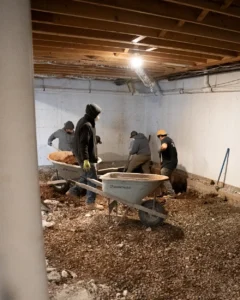 Water doesn’t need a wide opening to get inside. Concrete and masonry are porous, and when the soil around your foundation holds water, that moisture pushes against your walls and floor. This force is often referred to as hydrostatic pressure, and over time it can drive water through joints, cracks, and weak points.
At the same time, pressure and shifting can contribute to cracking and wall movement. That’s why many basements show a combination of symptoms like:
- Damp walls or water along the basement perimeter
- Cracks in foundation walls or floor joints
- Musty odors or signs of mold
- Efflorescence, staining, or peeling paint
- Bowing walls or inward movement in severe cases
If only the symptom is treated, the underlying cause can remain active.
What foundation waterproofing is (and what it is not)
Foundation waterproofing focuses on preventing water intrusion. Depending on the home’s needs, this may involve drainage, collection systems, and water control strategies that redirect moisture away from vulnerable areas.
A professional basement waterproofing plan often starts with a full evaluation, then a custom design that fits the home’s conditions. The Waterproofing Pros highlight a process that includes a comprehensive inspection, a tailored plan, expert installation, and leaving the basement clean and restored, followed by ongoing peace of mind.
Waterproofing is a powerful protection layer, but it does not automatically correct structural movement, and it does not “solve” a foundation that is actively failing. Waterproofing is best thought of as defense and control.
What foundation repair is (and when it matters)
Foundation repair focuses on structural integrity. That includes stabilizing walls, addressing settlement, and repairing structural cracks.
In The Waterproofing Pros’ own explanation of their services, foundation repair can include methods like underpinning, wall reinforcement, and crack injection, depending on what’s driving the problem.
The goal is to stop movement and restore safety, not just stop water. In many cases, foundation repair and waterproofing are most effective when planned together because water pressure and structural stress can reinforce each other over time.
How to tell what your home needs
While every home is different, these guidelines help homeowners understand what they may be dealing with.
Signs you may need waterproofing first
- Water seepage during heavy rain
- Moisture at the cove joint (where wall meets floor)
- Dampness or musty odors without major wall movement
- Basement humidity that spikes seasonally
A proper drainage and waterproofing approach can reduce pressure and prevent recurring damage.
Signs you may need foundation repair, or at least a structural evaluation
- Cracks that widen over time
- Stair-step cracking in block or masonry walls
- Bowing or inward movement
- Doors or windows sticking, sloping floors, or noticeable settlement
If movement is present, it’s critical to address structure, not just water.
When you likely need both
If you have active water intrusion and signs of cracking or movement, the best plan often combines drainage control with repair, so the home is protected from both moisture and structural risk.
Why “quick fixes” fail (and cost more later)
Waterproofing and foundation work are not areas where shortcuts pay off. A quick sealant over a crack can hide symptoms temporarily, but it doesn’t relieve pressure outside the wall. Over time, the same force that created the issue can create new pathways, and the basement leaks again.
Professional systems are designed around long-term performance. For example, The Waterproofing Pros emphasize using proven drainage approaches, and note they are the only waterproofing company in New Jersey installing the FloodBuster Pro draintile system, positioned as a more durable alternative to older corrugated drain styles.
The bigger point is not a brand name, it’s the principle: the right system is engineered to keep water moving, resist clogging, and hold up over the long term.
Why a professional inspection is the smartest first step
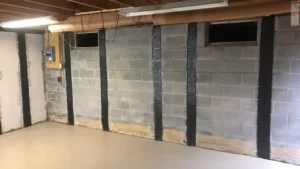 Homeowners often ask, “Do I need waterproofing or repair?” The honest answer is, “You need a real diagnosis first.”
A trained specialist evaluates:
- Where water is entering and why
- How the foundation is behaving structurally
- Whether cracks are cosmetic, structural, or both
- What drainage conditions outside may be contributing
- Which solutions will last, not just patch symptoms
The Waterproofing Pros position this homeowner-first approach as part of their mission, offering clear options and tailored solutions for the home’s needs.
Protect your home now, not after the next storm
Foundation problems and basement water intrusion rarely improve on their own. They typically grow, spreading into finished areas, increasing repair costs, and creating stressful surprises during heavy weather.
If you’ve noticed leaks, cracks, or warning signs, the most cost-effective move is to get a professional evaluation and build a plan that addresses the real cause, not just what’s visible today.
